# Best Cap Digitizing Service in USA: Premium Embroidery Files for Caps
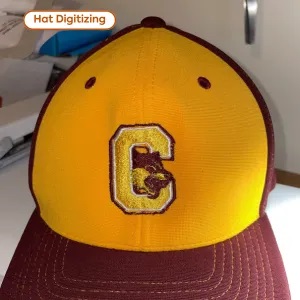
Custom embroidered caps are a popular choice for businesses, sports organizations, clothing brands, promotional campaigns, schools, and corporate teams. A well digitized embroidery design can help a logo maintain its shape, readability, and visual quality when stitched onto a cap.
However, cap embroidery requires more than converting artwork into an embroidery file. The curved shape of a cap, center seam, fabric construction, limited embroidery area, and movement of the material during stitching can all affect the final result.
Choosing a ***[best cap digitizing service in USA](https://zdigitizing.com/hat-digitizing-service/)*** can help ensure that an embroidery file is prepared specifically for the structure and requirements of caps. Skilled digitizing focuses on stitch placement, density, sequencing, underlay, pull compensation, and other technical details that influence embroidery quality.
## What Is Cap Digitizing?
Cap digitizing is the process of converting artwork, logos, lettering, or other designs into a machine readable embroidery file specifically prepared for caps. Unlike ordinary image conversion, professional digitizing involves making technical decisions about how the design will be stitched.
The digitizer determines the appropriate stitch types, stitch direction, density, underlay, sequencing, and other settings based on the artwork and the cap material.
The objective is not simply to create a file that an embroidery machine can read. The objective is to create a production ready file that can produce clean and consistent embroidery on an actual cap.
## Why Pull Compensation Matters in Cap Embroidery
During embroidery, fabric can move or react to the tension created by stitches. This can cause certain elements of a design to appear smaller or narrower than intended. Pull compensation helps account for this effect by making controlled adjustments to selected areas of the design.
Without appropriate compensation, lettering and shapes may lose their intended proportions after stitching. A professional digitizer evaluates the artwork and makes adjustments according to the design and material.
## Cap Digitizing for Small Lettering and Detailed Logos
Small text can be particularly difficult to reproduce through embroidery. Fine details that are clearly visible in digital artwork may become difficult to read once converted into thread.
A professional digitizer may need to modify lettering, simplify small elements, adjust stitch direction, or change the size of certain details to improve readability. The goal should be to preserve the most important visual characteristics of the original artwork while adapting it to the practical limitations of embroidery.
## 3D Puff Cap Digitizing
Three dimensional puff embroidery requires specialized digitizing because foam is placed beneath selected areas of the design to create additional height. The digitizing process needs to account for stitch direction, edge definition, coverage, spacing, and the way the design interacts with the foam.
Not every artwork is suitable for puff embroidery. Designs with suitable shapes, lettering, and sufficient spacing generally provide better results than highly detailed artwork with very small elements.
For businesses considering puff embroidery, it is important to work with a digitizer who understands the technical requirements of this application.
## Benefits of Professional Cap Digitizing
Professional cap digitizing can provide several practical benefits for embroidery businesses and organizations. It can improve stitch consistency, support better design readability, reduce unnecessary stitches, minimize production problems, and help artwork translate more effectively from a digital image into thread.
For businesses producing caps regularly, consistent digitizing can also help maintain a uniform appearance across multiple production runs.
## Final Thoughts
The best cap digitizing service in USA should offer more than basic artwork conversion. Quality cap embroidery depends on technical decisions that account for curved surfaces, seams, fabric construction, stitch density, underlay, pull compensation, sequencing, and design limitations.
Manual digitizing, cap specific experience, appropriate file formats, reasonable turnaround times, revision support, and careful quality control are important factors to consider when selecting a provider.
Whether you are producing branded merchandise, sports caps, corporate headwear, uniforms, fashion products, or promotional items, professional digitizing can help transform artwork into embroidery that performs reliably during production.
The right digitizing approach can reduce avoidable production problems, improve consistency, and help your finished caps maintain a professional appearance.
## Frequently Asked Questions
### What is the difference between cap digitizing and regular embroidery digitizing?
Cap digitizing is specifically prepared for the curved structure and construction of headwear. It takes factors such as the center seam, curved surface, fabric movement, stitch direction, density, and sequencing into consideration. Regular digitizing for flat garments may not be suitable for caps without additional adjustments.
### How long does cap digitizing usually take?
Turnaround depends on the complexity of the artwork, required size, embroidery technique, revisions, and current workload. Simple designs may be completed within several hours, while detailed artwork or specialized designs may require more time.
### What embroidery file format should I request?
The correct format depends on the embroidery machine being used. Common formats include DST, PES, EXP, JEF, and VP3. It is best to confirm the required format with your machine manufacturer or production operator before placing an order.
### Is every logo suitable for cap embroidery?
Most logos can be adapted for embroidery, but some designs may require modifications. Very small lettering, fine details, narrow shapes, and complex artwork may need simplification or resizing to produce clear results. A professional digitizer can evaluate the artwork and recommend appropriate adjustments before production.